Zera
Web3 Archaeology
Web3 evolves rapidly. In the process, interfaces are discontinued, platforms change direction, and entire communities can end up adrift. Although smart contracts remain active on the blockchain, access to them often disappears along with the interfaces that once made them usable.
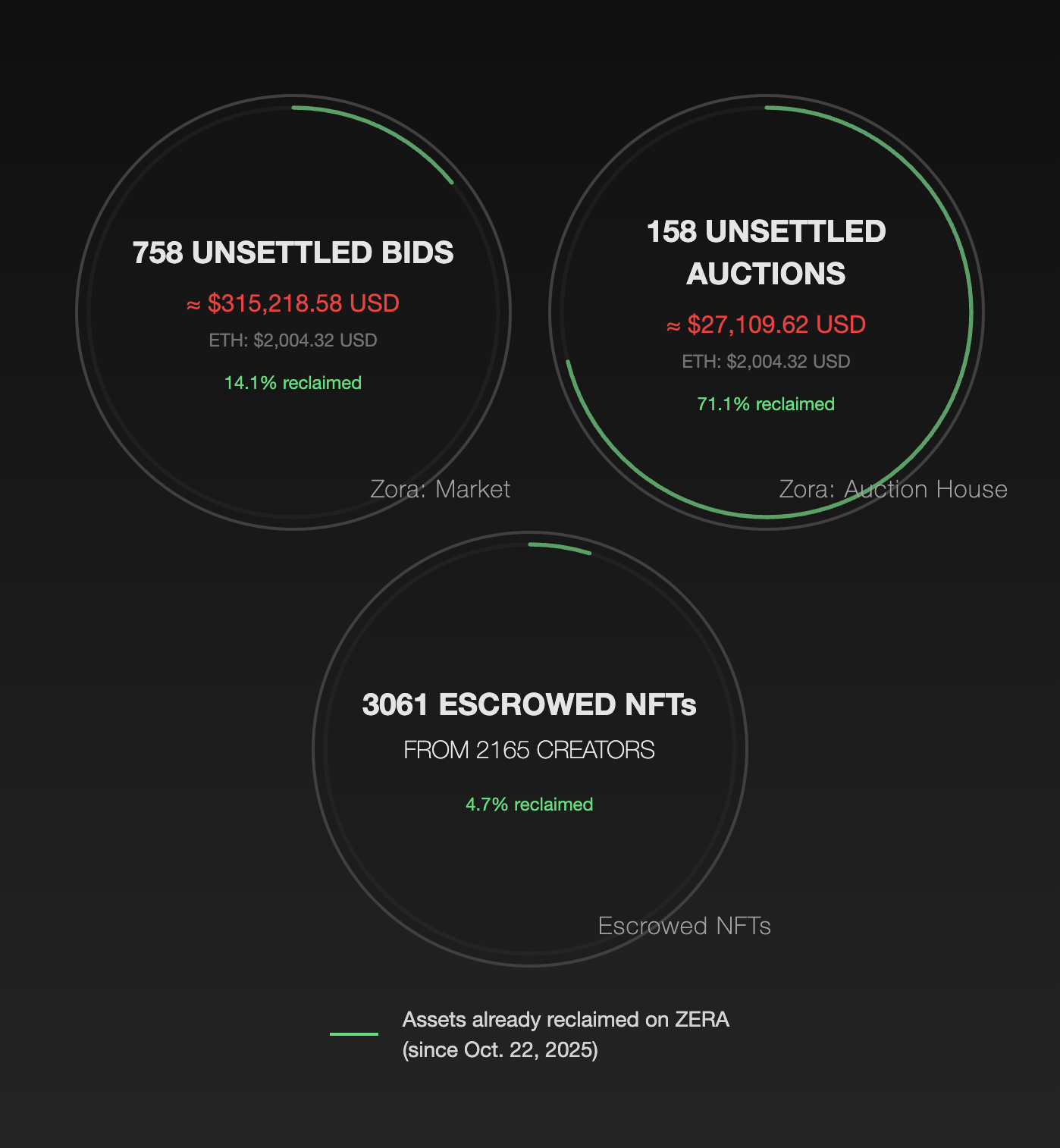
ZERA was created to address this problem. Developed by uint studio as a public good for the web3 community, the platform allows users to recover assets that remained locked across three historical Zora smart contracts: more than 140 Ether and a smaller, though still significant, amount of stablecoins. As previous interfaces were removed, resources associated with auctions, bids, and NFT listings continued to exist on-chain but no longer had an accessible path to recovery for most users.
Data Excavation
The development of the tool began as a form of digital archaeology. Through the retrospective analysis of thousands of transactions recorded in Zora's contracts since their deployment, it became possible to identify forgotten assets, unclaimed funds, and NFTs held in escrow transactions. The blockchain does not forget: even years later, its records remain public, verifiable, and recoverable.
Based on this research, uint studio indexed resources associated with approximately three thousand wallets and developed a public interface for querying and recovering these forgotten fungible and non-fungible assets.
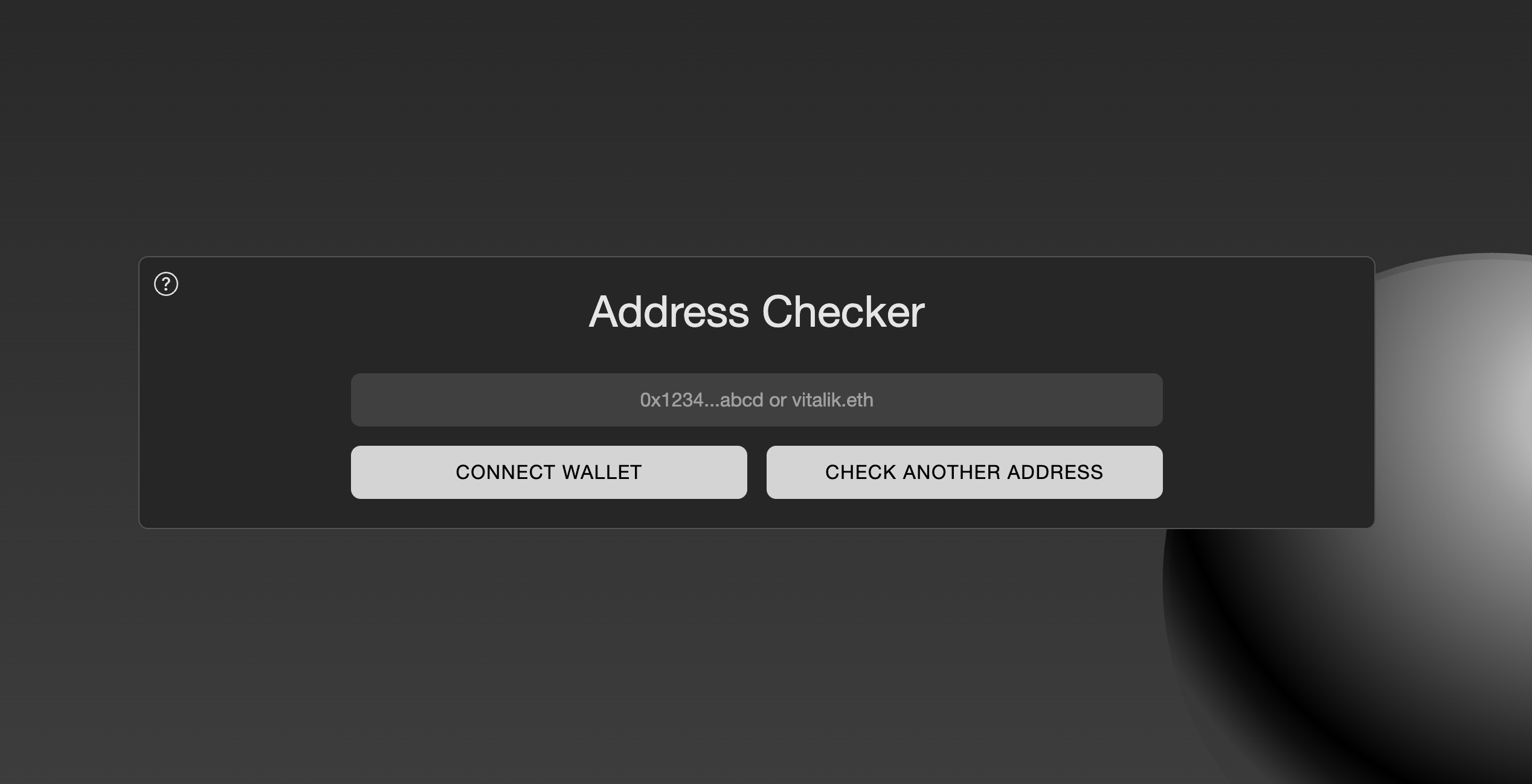
Anyone can enter a wallet address and verify whether they have funds or NFTs linked to the analyzed contracts. Wallet connection is only required at the moment of recovery, making the process more transparent and reducing friction for people who simply want to check their situation.
Beyond individual recovery, ZERA also organizes aggregated information about auctions, bids, NFT listings, and the creators affected by them, bringing together blockchain analysis, data indexing, query interfaces, and direct smart contract interaction within a single platform.
Interface
The goal of the project is simple: restore access to assets that already belong to their users. ZERA does not create a new layer of custody nor alter the logic of existing contracts. Instead, it provides a contemporary interface for public contracts that continued functioning but had disappeared from the surface of the web.
By making these resources accessible again, ZERA demonstrates that even when platforms change and interfaces disappear, the records remain. The funds remain secure. The memory of the blockchain is still there.